Question 3:
Diagram 2.1 shows the apparatus set-up to estimate the calorific value for a cashew nut and an almond. The initial temperatures of water for both samples is 28 °C.
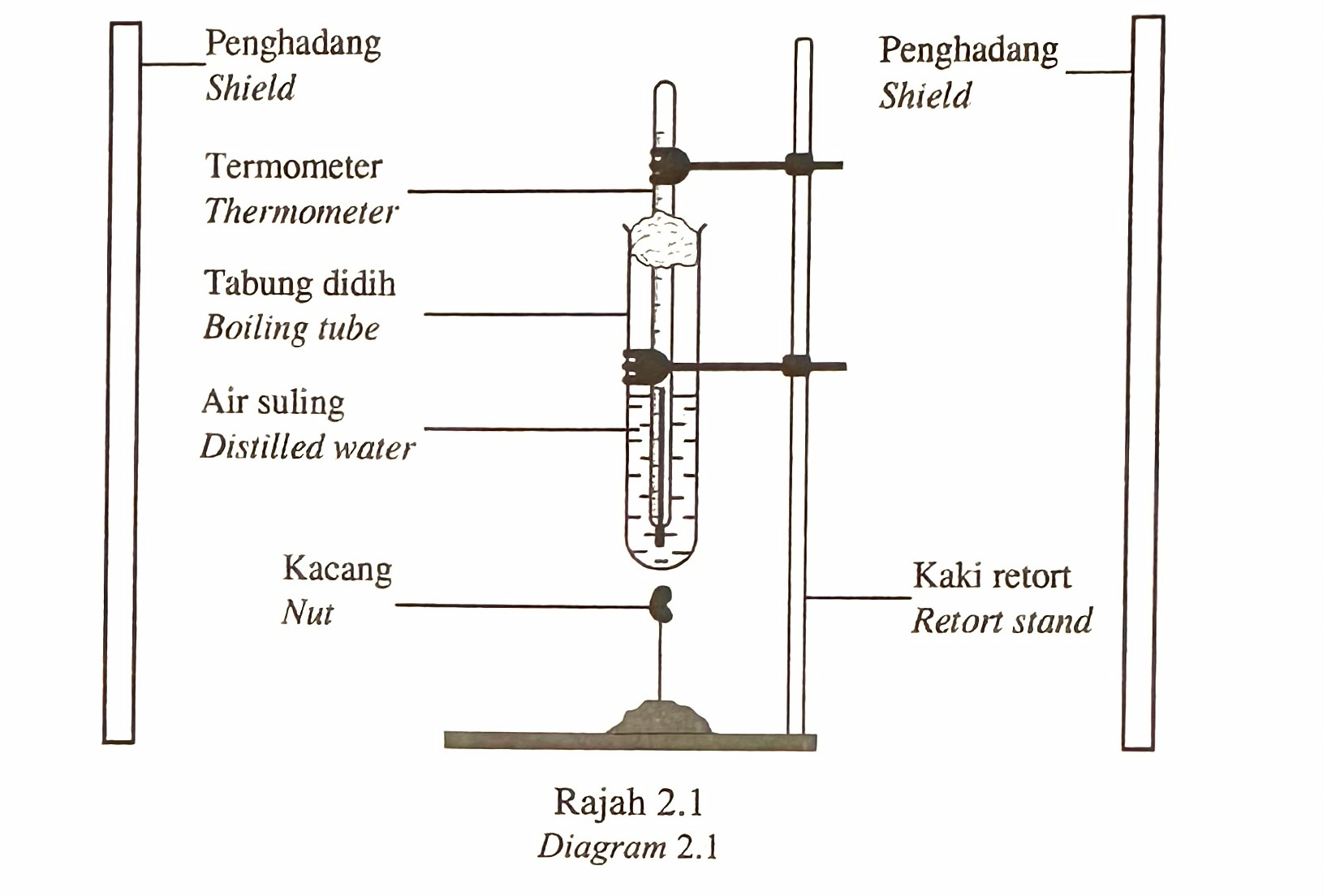
Diagram 2.2 shows the final temperatures of water for both samples.
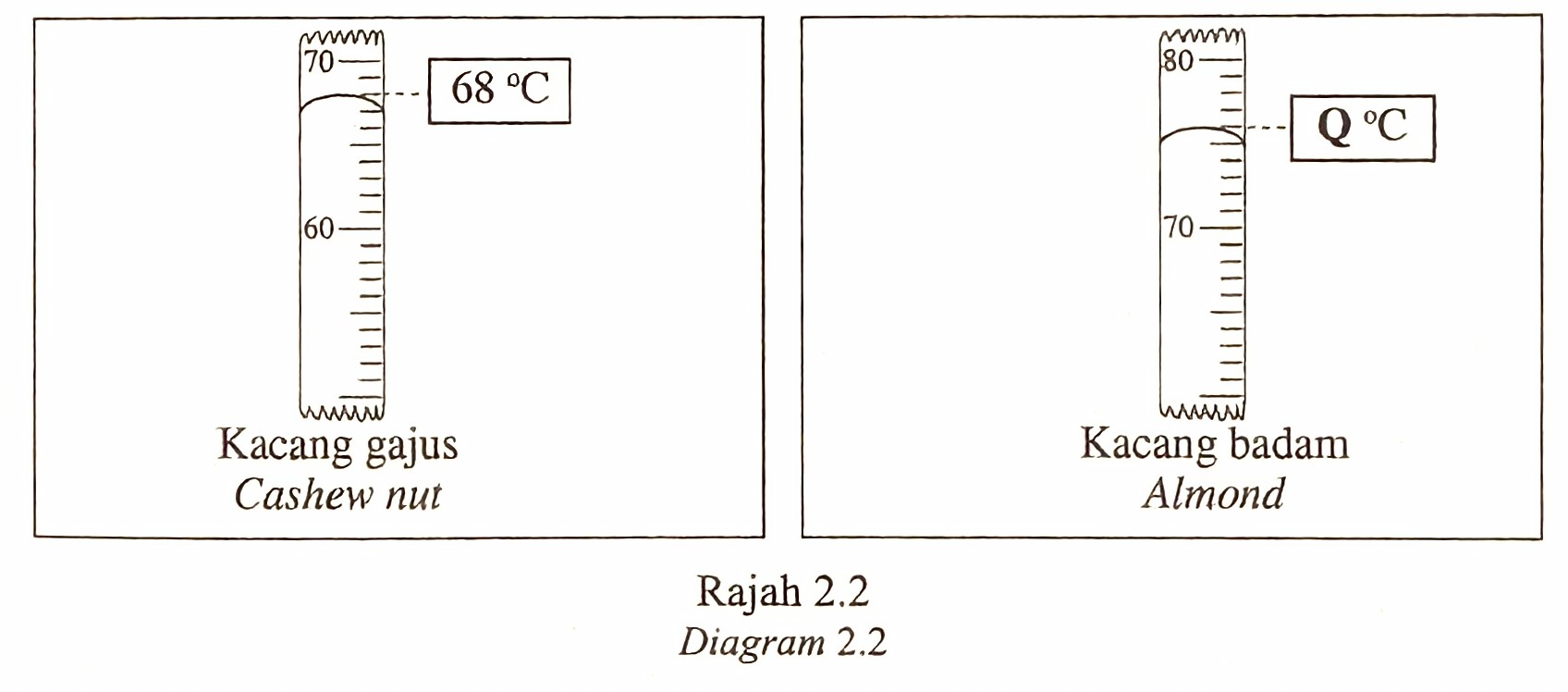 (a) Based on Diagram 2.2, state the value of Q.
………………… oC
[1 mark]
(b) Based on the experiment, state
(i) one hypothesis [1 mark]
(ii) the way to control the responding variable. [1 mark]
(c) Fats contain a high calorific value.
Study the statement below.
By using data in Diagram 2.2, prove the statement is correct. [1 mark]
(d) State the operational definition of calorific value based on what have been done and what have been observed in this experiment. [1 mark]
Answer:
(a) Q = 76 °C
(b)(i) Almond has a higher calorific value than cashew nut.
(b)(ii) Measure the final temperature of the water using a thermometer
(c) The final temperature of water for almond is higher than that of cashew nut.
(d) Calorific value is when the nut is burned under a boiling tube containing distilled water and the final temperature of the water is observed.
Diagram 2.1 shows the apparatus set-up to estimate the calorific value for a cashew nut and an almond. The initial temperatures of water for both samples is 28 °C.
Diagram 2.2 shows the final temperatures of water for both samples.
(a) Based on Diagram 2.2, state the value of Q.………………… oC
[1 mark]
(b) Based on the experiment, state
(i) one hypothesis [1 mark]
(ii) the way to control the responding variable. [1 mark]
(c) Fats contain a high calorific value.
Study the statement below.
| Almond contains more fats compared to cashew nut. |
(d) State the operational definition of calorific value based on what have been done and what have been observed in this experiment. [1 mark]
Answer:
(a) Q = 76 °C
(b)(i) Almond has a higher calorific value than cashew nut.
(b)(ii) Measure the final temperature of the water using a thermometer
(c) The final temperature of water for almond is higher than that of cashew nut.
(d) Calorific value is when the nut is burned under a boiling tube containing distilled water and the final temperature of the water is observed.
Question 4:
An experiment is carried out to study the property of natural rubber. A natural rubber strip X was heated in a boiling tube filled with water while no action was done on natural rubber strip Y.
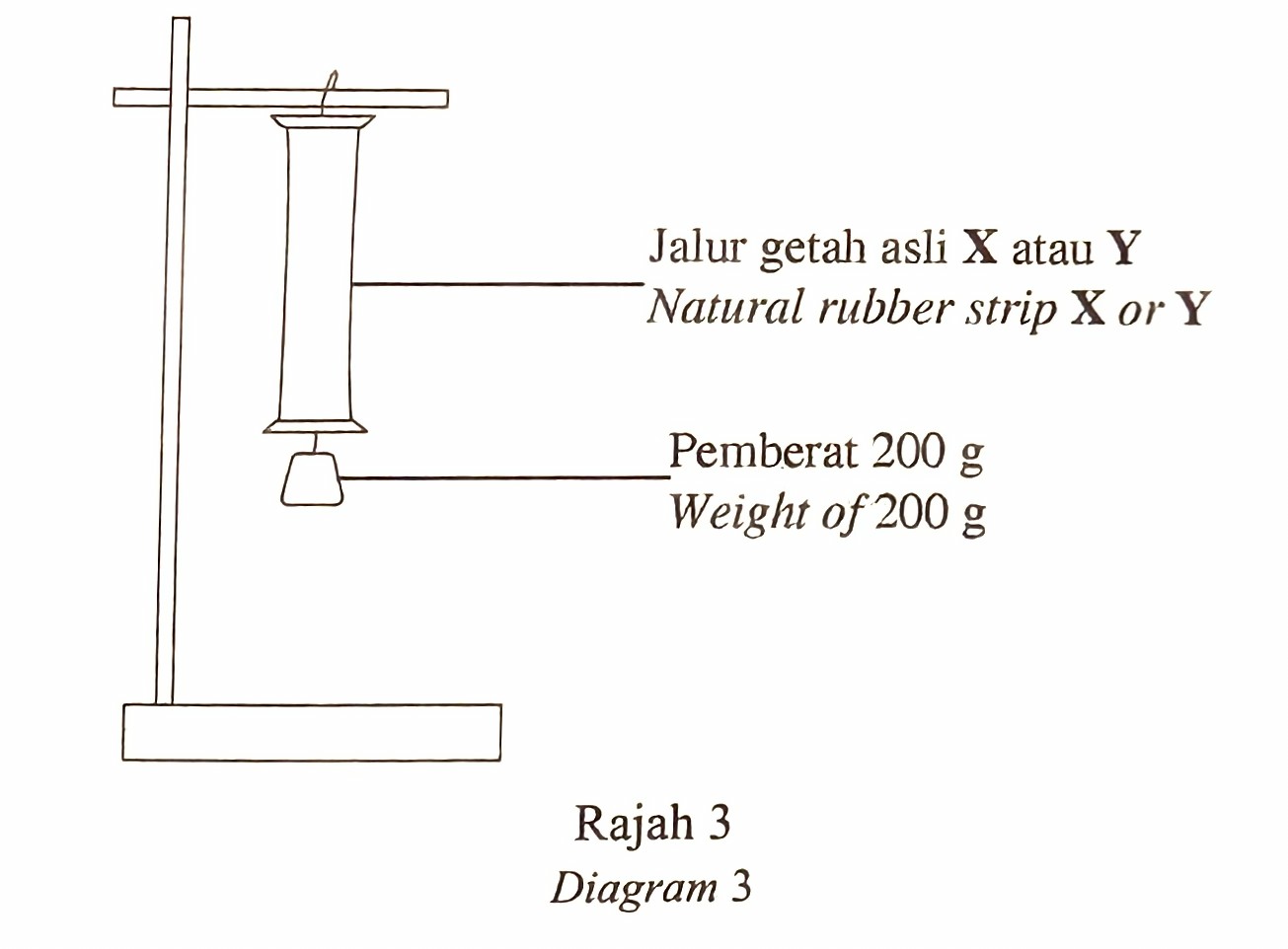
Diagram 3 shows the test carried out on both natural rubber strips, X and Y after natural rubber X became cool.
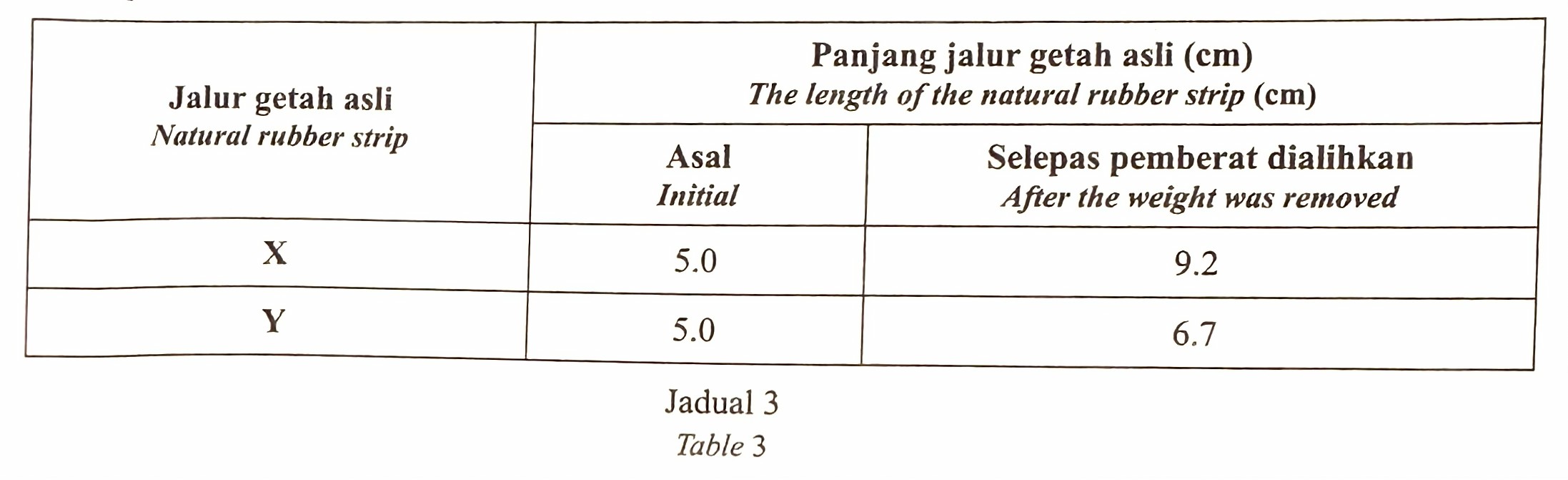
The lengths of the natural rubber strips X and Y were measured after the weight was removed. Table 3 shows the results of the experiment.
(a) Based on Table 3, state
(i) one observation of natural rubber strip X [1 mark]
(ii) one inference based on the answer in (a)(i). [1 mark]
(b) State two constant variables. [2 marks]
(c) The following statement shows an argument made by a student.
By using data of both rubber strips in Table 3, state why the argument is rejected. [1 mark]
Answer:
(a)(i) The length of natural rubber strip X increased from 5.0cm to 9.2 cm after the weight was removed.
(a)(ii) Heating causes the elasticity of natural rubber strip X to decrease.
(b) Initial length of the natural rubber strip
Mass of the weight (200 g)
(c) Heated natural rubber strip X stretched more (9.2 cm) compared to natural rubber strip Y (6.7 cm) after the weight was removed.
An experiment is carried out to study the property of natural rubber. A natural rubber strip X was heated in a boiling tube filled with water while no action was done on natural rubber strip Y.
Diagram 3 shows the test carried out on both natural rubber strips, X and Y after natural rubber X became cool.
The lengths of the natural rubber strips X and Y were measured after the weight was removed. Table 3 shows the results of the experiment.
(a) Based on Table 3, state
(i) one observation of natural rubber strip X [1 mark]
(ii) one inference based on the answer in (a)(i). [1 mark]
(b) State two constant variables. [2 marks]
(c) The following statement shows an argument made by a student.
| Natural rubber strip has high resistance towards heat. |
Answer:
(a)(i) The length of natural rubber strip X increased from 5.0cm to 9.2 cm after the weight was removed.
(a)(ii) Heating causes the elasticity of natural rubber strip X to decrease.
(b) Initial length of the natural rubber strip
Mass of the weight (200 g)
(c) Heated natural rubber strip X stretched more (9.2 cm) compared to natural rubber strip Y (6.7 cm) after the weight was removed.